Weight loss
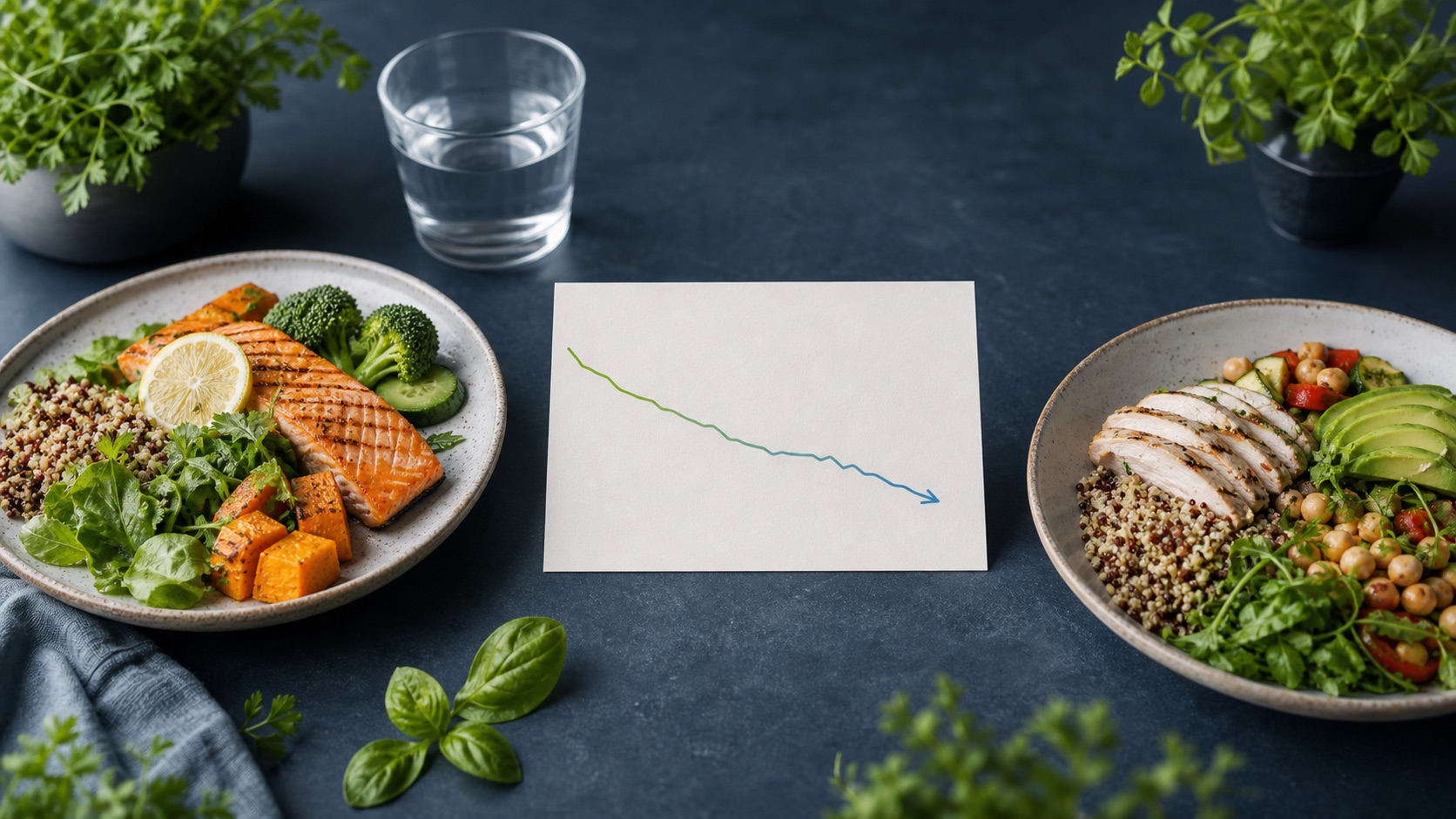
How to Lose Weight Without Starving: 9 Strategies
Nine practical decisions that reduce calories without making you think about the next meal all day.

Key takeaways
- Extreme hunger often means the plan needs to change.
- Protein, fiber, volume, and regular meals can improve fullness.
- A smaller deficit you can maintain beats a severe one you abandon.
Weight loss should not mean constant hunger
Some hunger before a meal is normal, but intense hunger, irritability, or low energy all day is not a good strategy. It can make impulsive eating more likely and the plan harder to maintain.
Before cutting more, review meal quality and timing, and confirm that your calorie deficit is not too aggressive.
Nine strategies that help
- Include a protein source at every main meal.
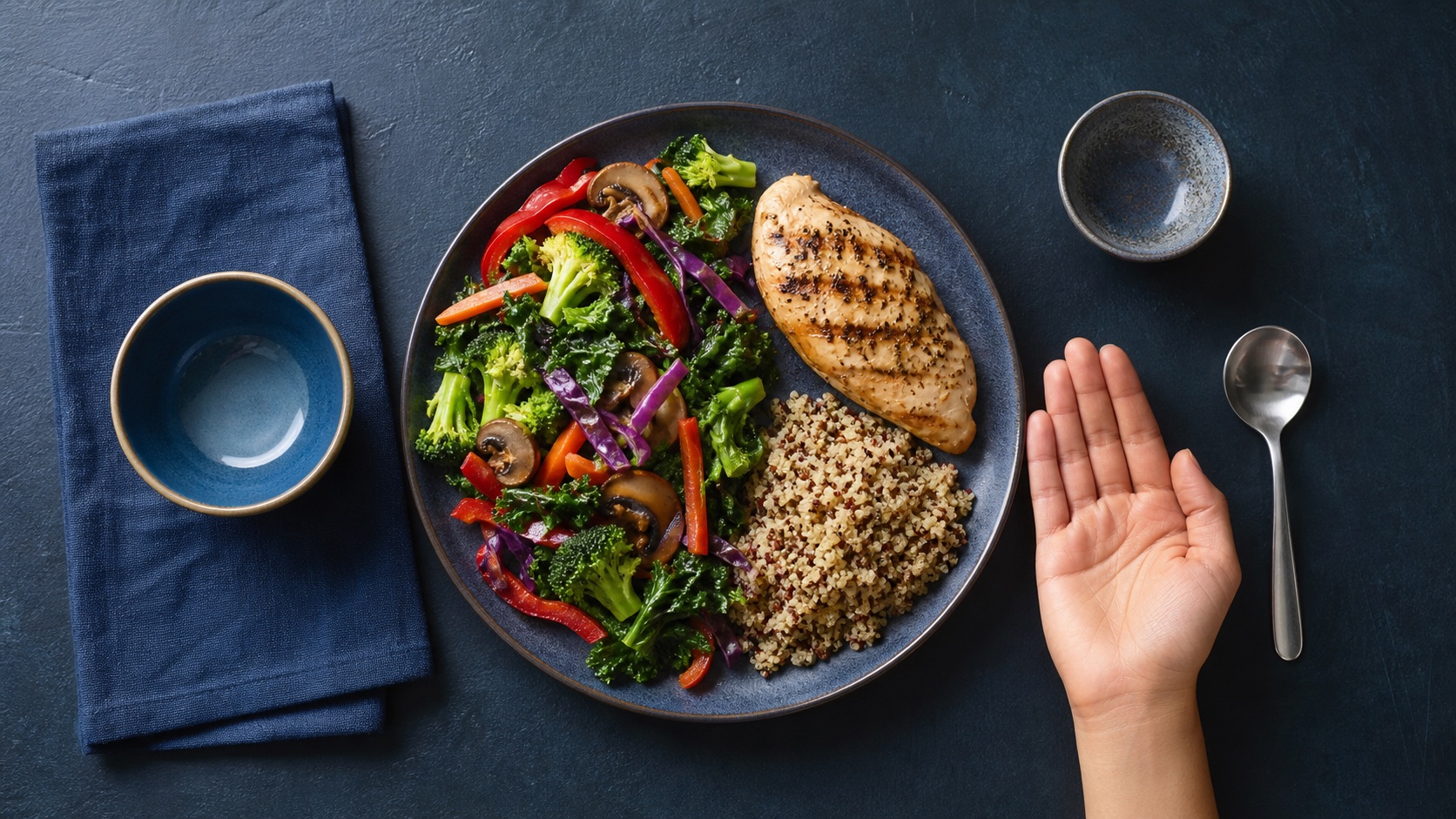
- Fill roughly half the plate with vegetables or add a piece of fruit.
- Choose fiber-rich carbohydrates such as oats, beans, potatoes, fruit, and whole grains.
- Avoid drinking a large share of your calories; prioritize water and unsweetened drinks.
- Do not reach the evening after eating too little all day.
- Measure oils and sauces while keeping flavors you enjoy.
- Keep a regular sleep window when possible.
- Walk and strength train within your ability, not as punishment.
- Make room for a favorite food instead of banning it completely.
A high-volume plate example
Combine 120 to 150 g chicken, fish, tofu, or legumes; two cups of vegetables; a serving of rice, potato, or tortilla; and a measured sauce. Vegetable soup or salad can add more volume. Adjust amounts to your target and preferences.
Volume does not replace nutrition. Huge vegetable portions without enough protein, fat, or energy may still leave you unsatisfied.
Hunger, craving, or habit?
Hunger usually grows gradually and accepts many foods. A craving is more specific and can be enjoyed in a considered portion. A habit appears after a cue, such as watching television. None is “bad.” Naming it gives you options: eat, wait briefly, prepare a portion, or change the routine.
Signs to seek help
Seek guidance for binge eating, intense fear of food, purging, dizziness, fainting, menstrual changes, rapid loss, or a history of an eating disorder. During pregnancy, nursing, or conditions that affect food and weight, work with a professional.
For daily structure, use the portion guide and track how you feel, not only the calorie number.
Frequently asked questions
Is hunger normal during weight loss?
Some hunger before eating can occur, but it should not be intense all day. Adjust the deficit, protein, fiber, volume, and timing if it is.
Which food reduces hunger most?
There is no single food. A combination of protein, fiber, water, and adequate volume usually works better.
Do I need to remove bread or rice?
No. Both can fit in portions that match your target. The complete pattern matters more than banning one food.
Official sources for further reading

Responsible editorial review
Content created by Dr. Hugo Daniel Parrales López, physician and Kcalories developer. It is educational and does not replace an individual assessment.
Free · Web + iPhone
Turn what you learned into a routine
Create your free account, set your target, and log your first meal in Kcalories.