Healthy habits
10 Sustainable Habits to Lose Weight and Keep It Off
A simple weekly system that turns good intentions into actions you can repeat.

Key takeaways
- Small repeatable systems work better than relying on daily motivation.
- Review weekly trends and change one variable at a time.
- Maintenance uses many of the same habits with more energy flexibility.
Build a life you can maintain
A temporary diet may lower the scale, but without a useful routine the result is hard to keep. Sustainable habits reduce decisions, allow flexibility, and continue when motivation changes.
Ten habits with impact
- Plan three or four dinners before grocery shopping.
- Keep two easy breakfasts and two lunches for busy days.
- Log meals honestly without using the diary to punish yourself.
- Include protein and a plant in every main meal.
- Keep fast options such as eggs, tuna, beans, and frozen vegetables.
- Walk regularly and strength train within your ability.
- Protect a realistic sleep window.
- Weigh under similar conditions and view averages, if weighing is healthy for you.
- Eat out and celebrate without trying to compensate through extreme hunger.
- Review your plan every two weeks and change only what is needed.
Your ten-minute weekly review
- View average calories, not only the best or worst day.
- Compare the weight trend across several weeks.
- Note which meals were filling and which left you very hungry.
- Choose one obstacle: no prepared food, little sleep, or imprecise portions.
- Decide on one small action for next week.
What to do when progress pauses
One or two flat weeks may be water and normal variation. If the trend stays unchanged for several weeks, review tracking, portions, and daily activity first. Then consider a small adjustment. Do not turn every pause into a new diet.
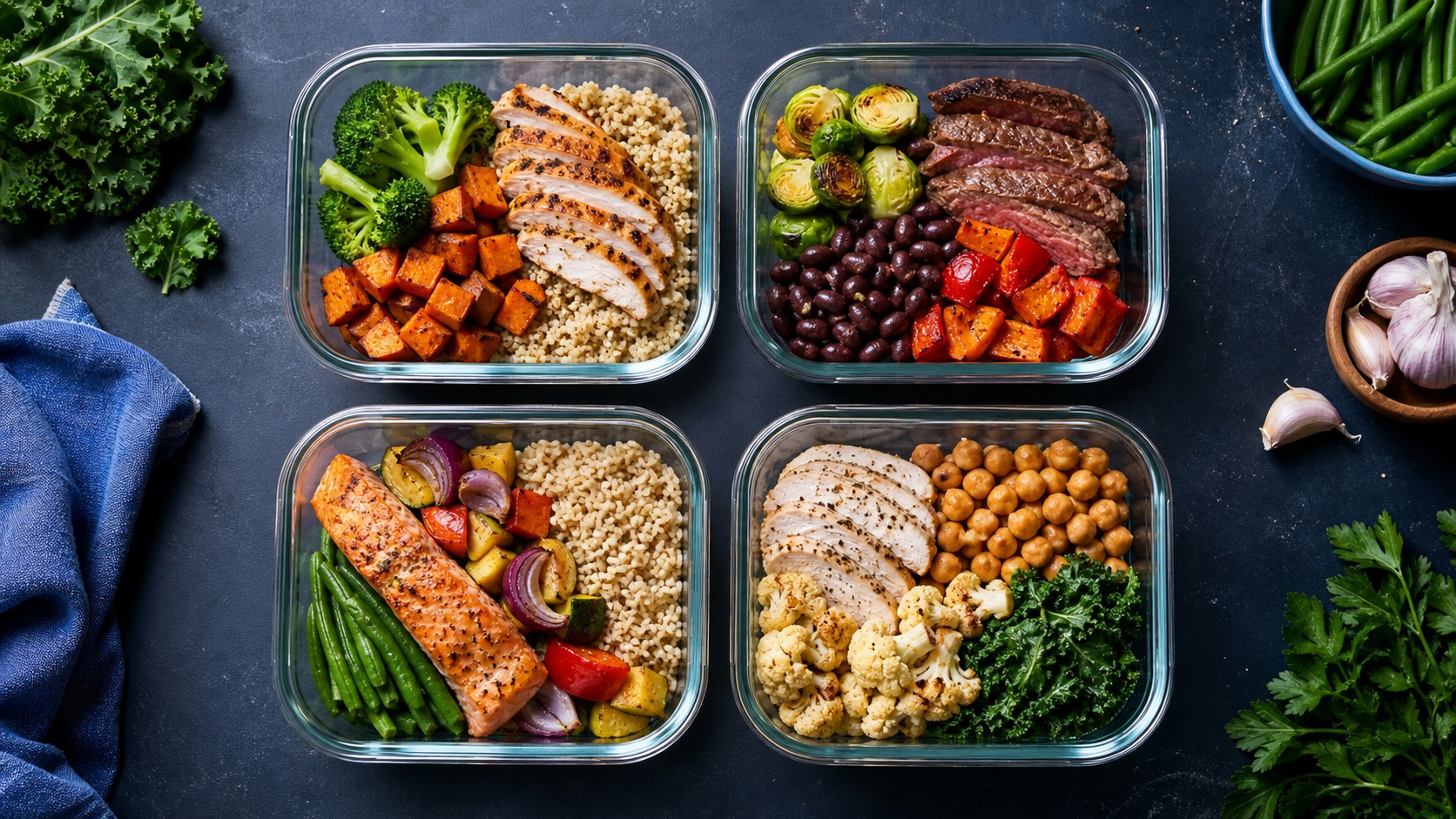
Use flexible meal prep for busy days and the guide to losing weight without starving if your plan feels too restrictive.
Move from loss to maintenance
When you reach a goal, gradually raise intake toward maintenance and keep the most useful habits: planning, occasional tracking, movement, and trend reviews. Weight can fluctuate inside a range; maintenance does not mean seeing the same number daily.
Frequently asked questions
How long does it take to form a habit?
There is no fixed number. It depends on the action and context. Repeating an easy action after a stable cue is more useful than waiting for a certain day count.
Do I need to count calories forever?
Not necessarily. Tracking can teach, help adjust, or provide a reset. Some people prefer continuous logs and others move to visual portions.
How can I avoid regaining weight?
Keep a similar structure, monitor the trend at a frequency that is healthy for you, and respond to sustained changes without expecting perfection.
Official sources for further reading

Responsible editorial review
Content created by Dr. Hugo Daniel Parrales López, physician and Kcalories developer. It is educational and does not replace an individual assessment.
Free · Web + iPhone
Turn what you learned into a routine
Create your free account, set your target, and log your first meal in Kcalories.