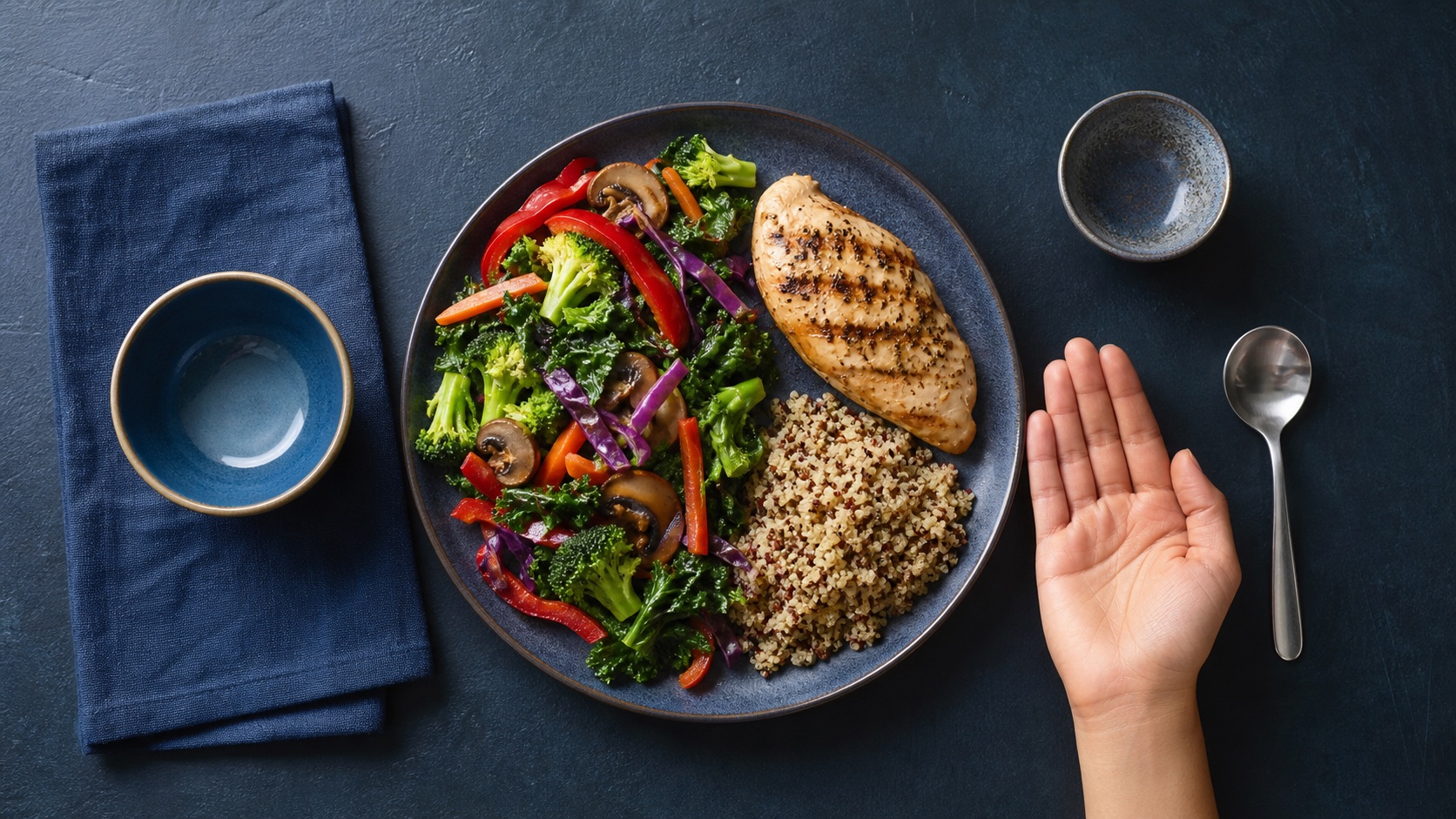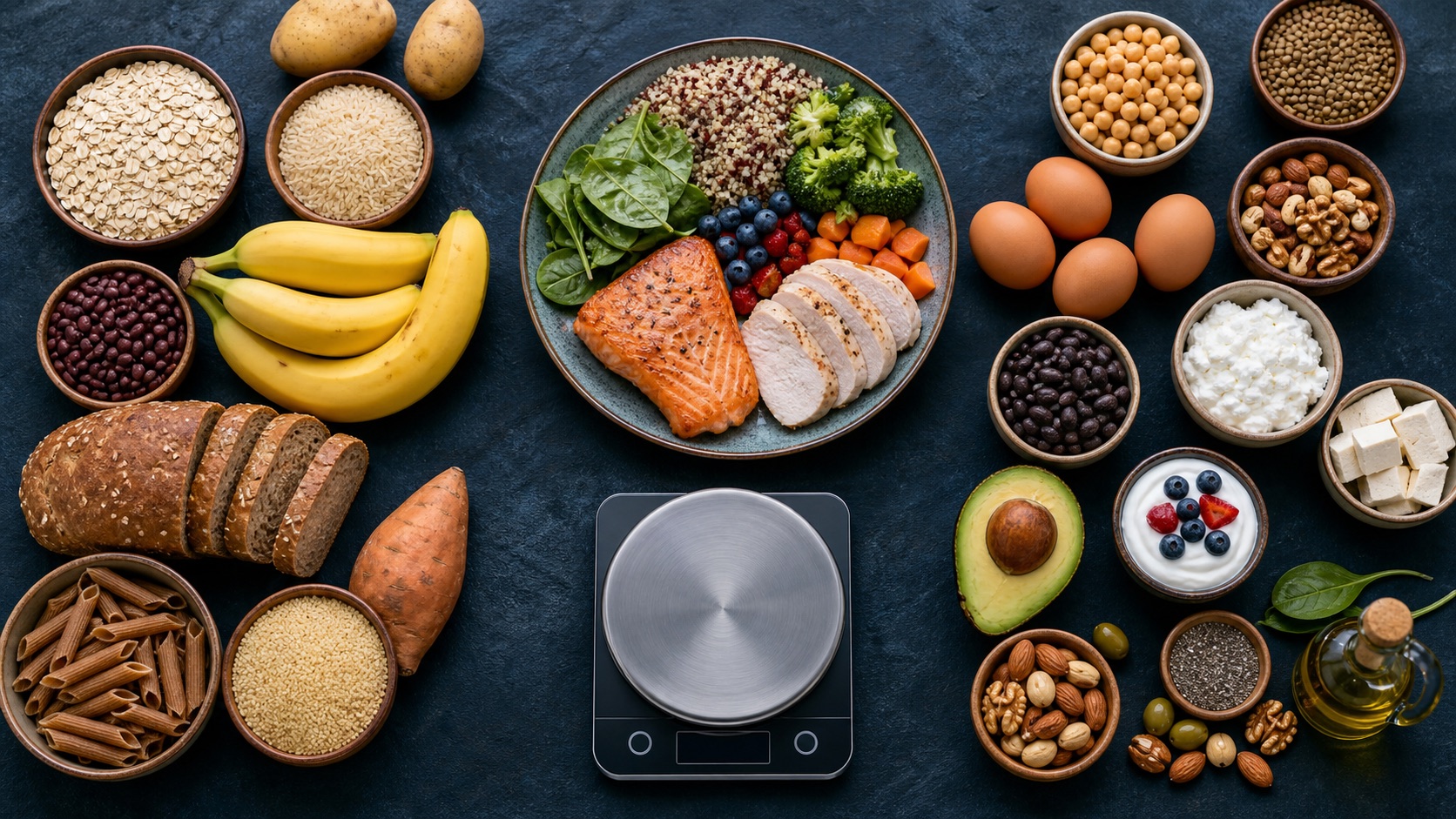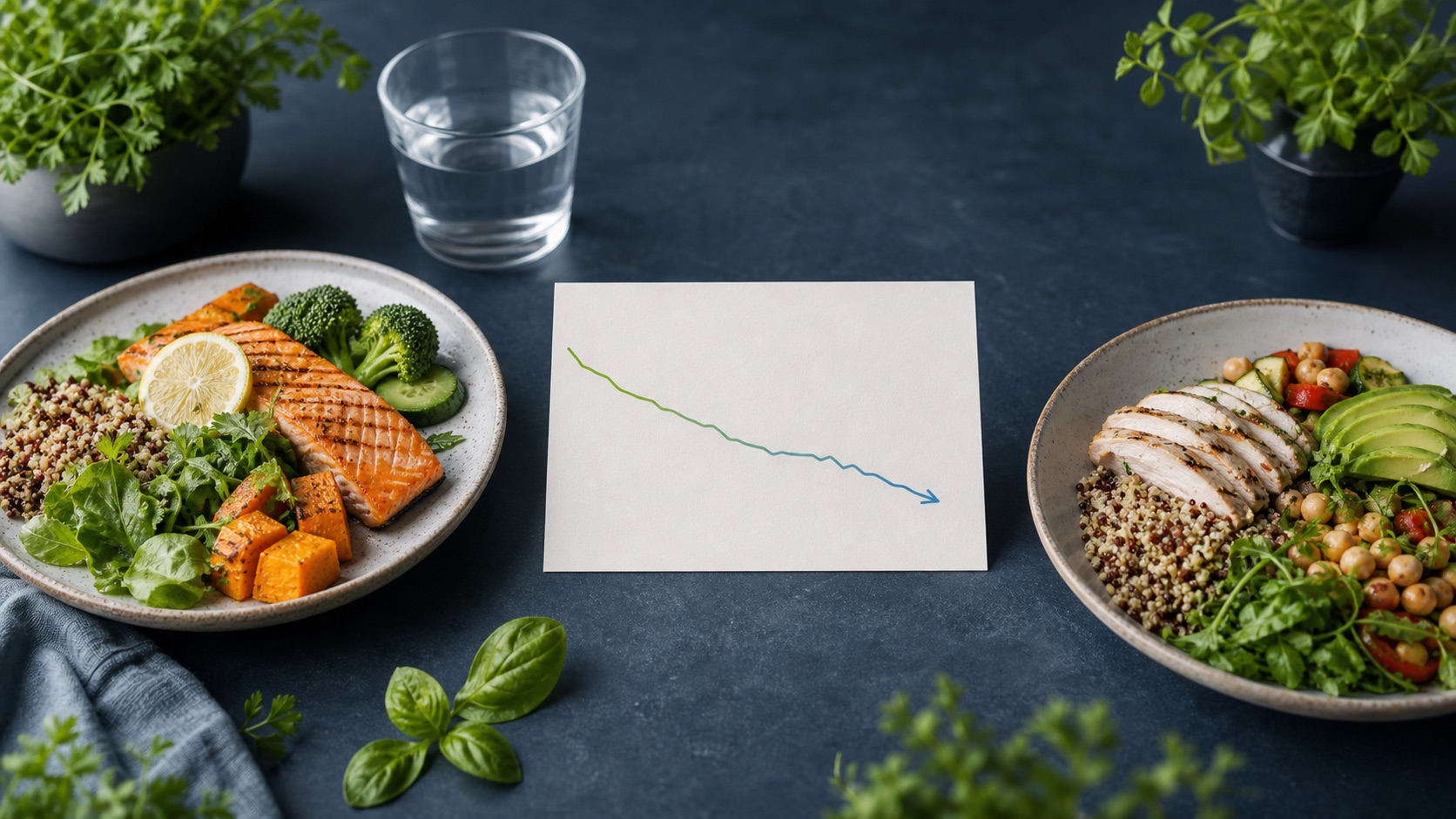
Calorie counting
How to Count Calories: An Easy Beginner’s Guide
A practical way to estimate your target, log portions, and improve accuracy without turning every meal into a test.
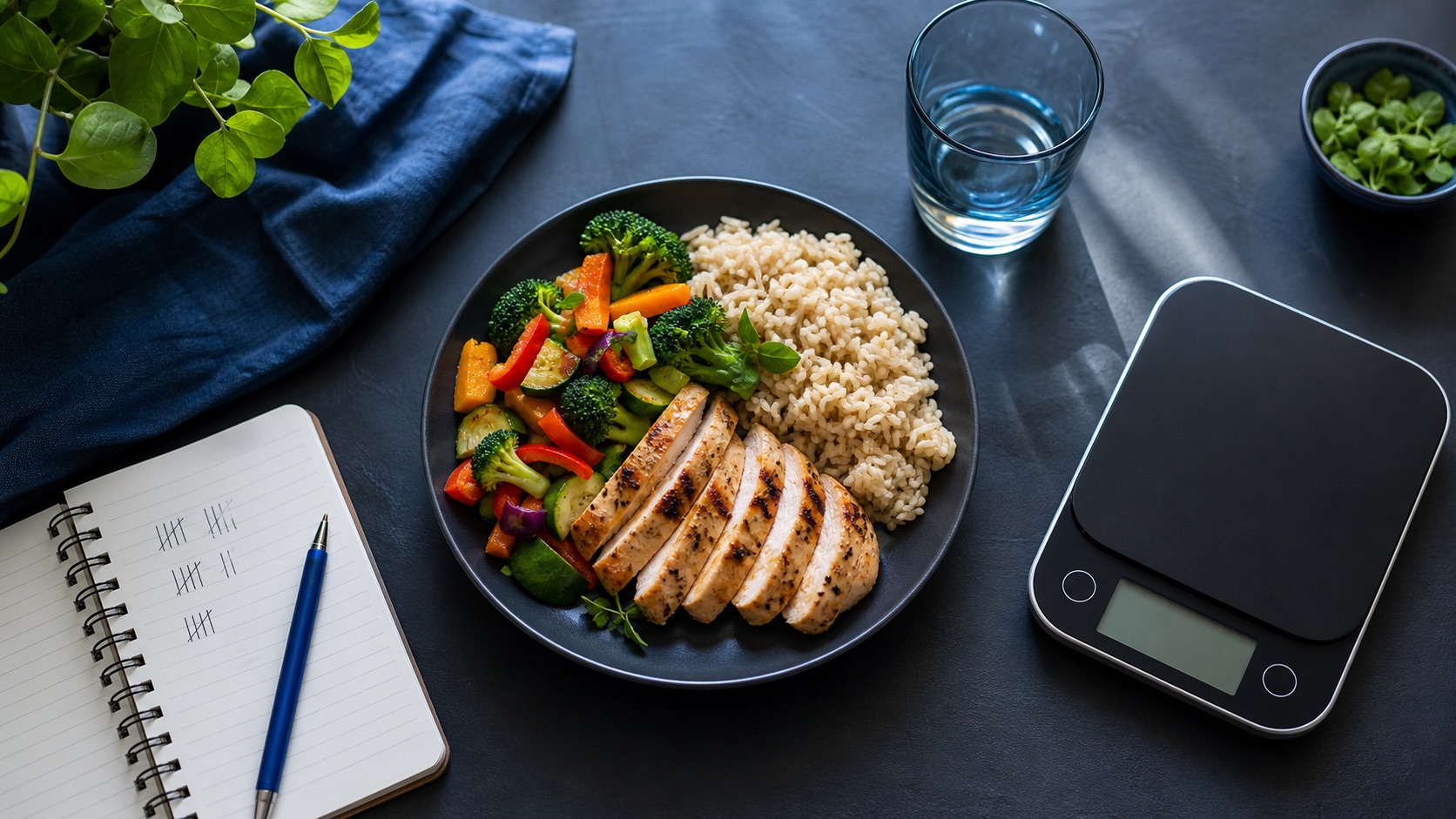
Key takeaways
- Start with an estimated target, then adjust it using your real trend.
- Weigh calorie-dense foods for a few weeks; you do not have to do it forever.
- Log oils, drinks, sauces, and small extras because they also count.
What does counting calories mean?
Counting calories means estimating how much energy you eat and drink during the day. It does not mean all foods are equal. Three hundred calories from beans, vegetables, and chicken offer something different from 300 calories of candy. Calories describe quantity; food quality affects fullness, nutrients, and health.
A daily target is only a starting point. Your needs change with age, sex, height, weight, activity, and goals. Kcalories can estimate maintenance and track intake, but the result is a planning reference rather than a medical prescription.
How to count calories step by step
- Estimate maintenance calories using your current details and activity level.
- Choose a realistic target. Weight loss often uses a moderate gap, explained in our calorie deficit guide.
- Log a meal before or soon after eating it. Waiting until night makes omissions more likely.
- Measure the portion you will actually eat and choose the right unit: grams, milliliters, tablespoons, or items.
- Review the average over seven to fourteen days instead of judging one day.
Scale, cups, and labels: when to use each
A kitchen scale is usually most accurate for rice, pasta, cereal, cheese, nuts, and meat. Place the container on it, press tare, and add the food. Check whether the database entry is for raw or cooked food: water changes weight without creating calories.
Cups and spoons work well for liquids, sauces, and quick recipes. On a package, check both serving size and servings per container. If a package holds two servings and you eat all of it, you also consume twice the listed calories.
Common mistakes that change the total
- Leaving out cooking oil, dressing, coffee sugar, or drinks.
- Mixing raw and cooked weights.
- Choosing a generic database item when you have the exact label.
- Eyeballing dense foods such as peanut butter, nuts, and cheese.
- Trying to “make up” for a higher day by skipping food the next day.
A five-minute Kcalories routine
Open your diary, choose the date, and add each meal. Enter it manually or start with an AI estimate from text or a photo. Review ingredients, portions, calories, and macros before saving because AI can be wrong.
At the end of the day, look at the total without judging it. After two weeks, compare average intake with your weight and energy trend. To understand protein, carbohydrates, and fat too, continue with calories versus macros.
Frequently asked questions
Do I have to weigh everything to count calories?
No. Weighing selected foods for a few weeks improves your portion awareness. You can then combine a scale, household measures, and reasonable estimates.
Do vegetables count too?
Yes, even though many contain few calories. Logging them improves your nutrition picture and keeps oils, sauces, and toppings from being missed.
What if I go over my target one day?
Nothing special is required. Return to your normal routine at the next meal and review the weekly average. You do not need punishment or extreme restriction.
Official sources for further reading

Responsible editorial review
Content created by Dr. Hugo Daniel Parrales López, physician and Kcalories developer. It is educational and does not replace an individual assessment.
Free · Web + iPhone
Turn what you learned into a routine
Create your free account, set your target, and log your first meal in Kcalories.