Nutrition basics
Calories vs. Macros: What Should You Track for Weight Loss?
Calories describe energy; macros explain where it comes from. Learn to use both without doing double work.
Key takeaways
- Energy balance influences weight change.
- Protein, carbohydrates, and fat affect fullness, performance, and nutrition.
- To begin, track calories and pay particular attention to protein and fiber.
The difference in one sentence
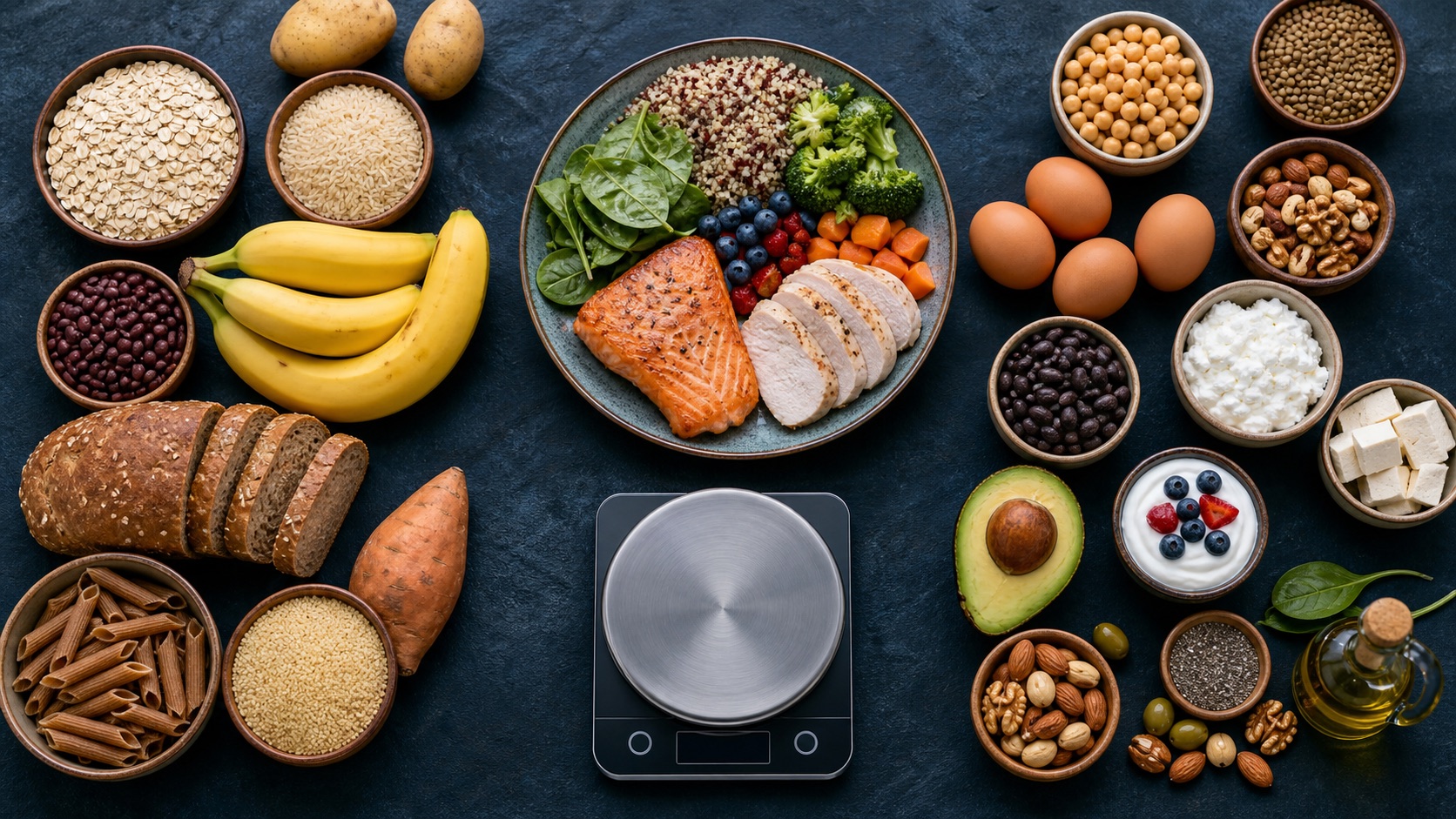
A calorie is a unit of energy. Macronutrients—protein, carbohydrates, and fat—provide that energy and have different roles. Protein and carbohydrates provide about 4 calories per gram; fat provides about 9. Alcohol also provides energy, although it is not an essential macronutrient.
What matters for weight loss?
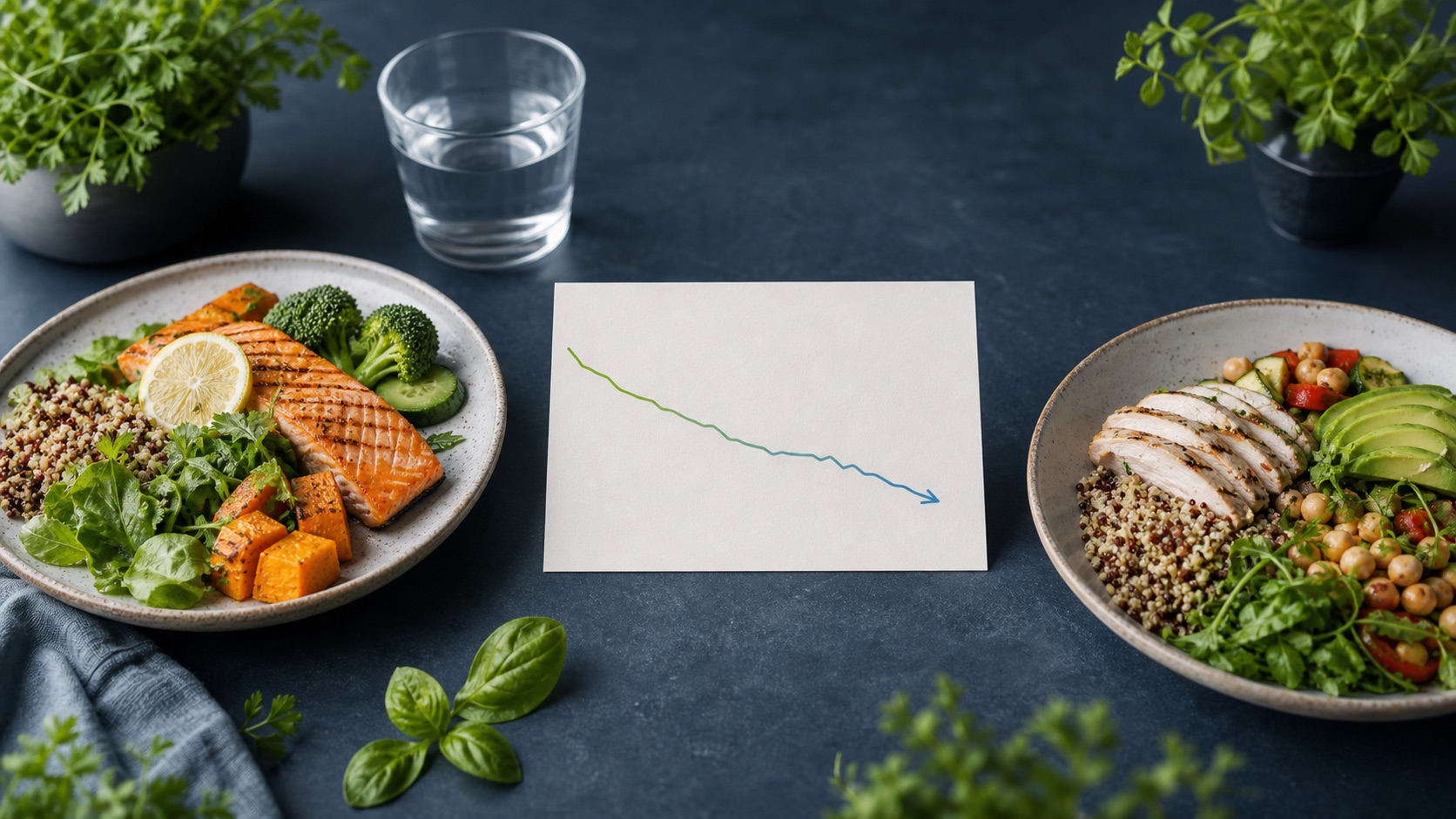
A calorie deficit is generally needed for weight to decrease over time. But a calorie target does not show whether your menu has enough protein, fiber, essential fats, vitamins, or minerals. Two days with the same calorie total can feel very different.
Calories guide quantity and macros help organize composition. They do not have to compete.
A simple way to set priorities
- Set an estimated calorie target.
- Choose a reasonable daily protein target based on weight, activity, and health.
- Include fruit, vegetables, legumes, or whole grains for fiber.
- Distribute the rest between carbohydrates and fat according to preference and tolerance.
- Review hunger, energy, digestion, and training response.
A 1,800-calorie example
One example might include 120 g protein, 60 g fat, and 195 g carbohydrates, which is about 1,800 calories. This is not a universal recommendation; it only shows how the math fits together. Other distributions can work when they meet your needs.
Labels round values, and fiber or sugar alcohols may change the calculation, so your manual sum may not exactly match the printed total.
How to view it in Kcalories
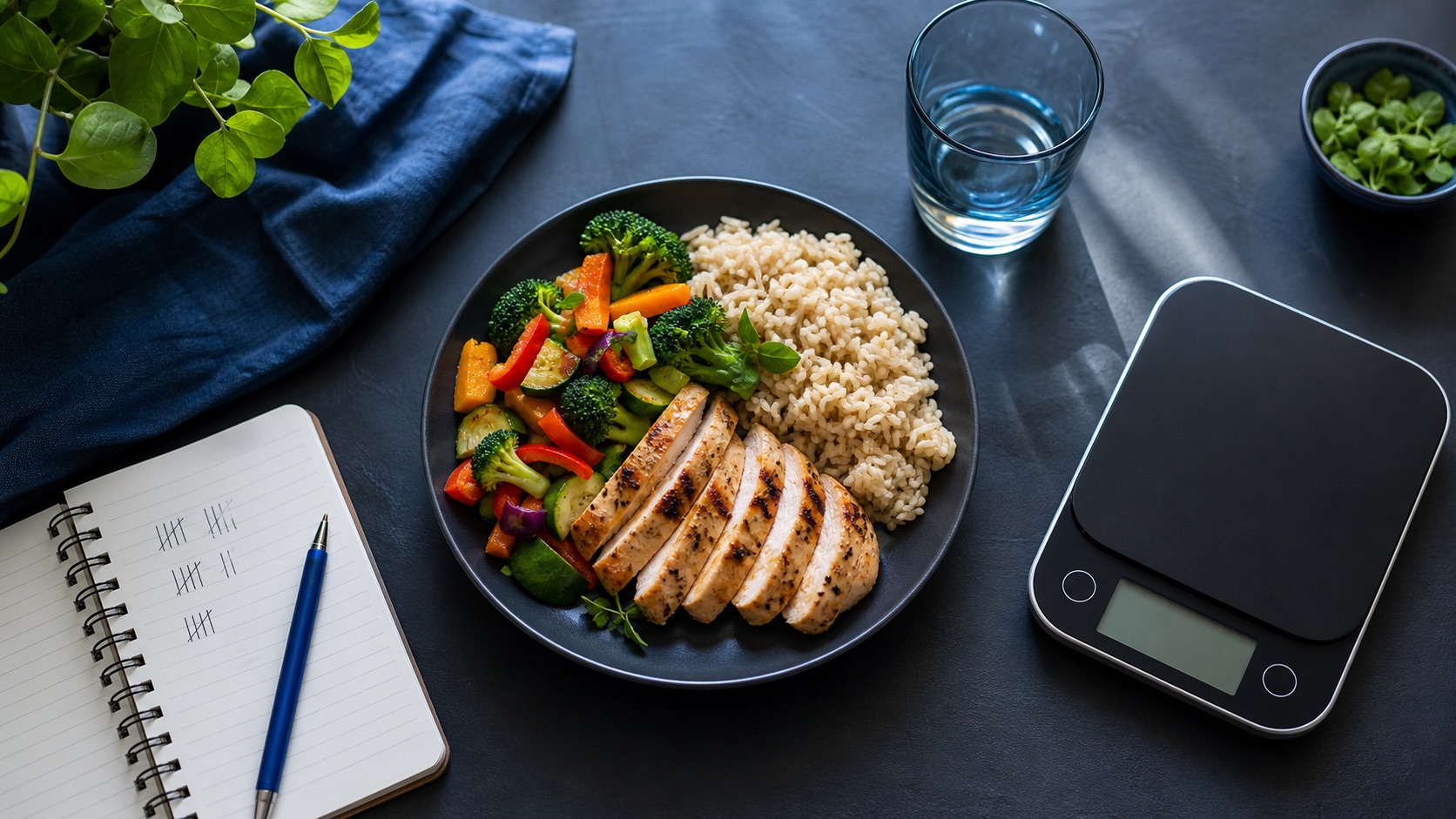
Log a meal and review calories, carbohydrates, protein, and fat. If you use AI, confirm everything before saving. Look for the weekly pattern instead of chasing a perfect number nightly. Start with our counting guide if you do not have a routine yet.
Frequently asked questions
Can I lose weight by tracking only macros?
Yes, because macros contain calories. Portions can still take you above or below your energy target.
Which macro is most important?
All have roles. Protein gets attention during weight loss for fullness and muscle maintenance, but carbohydrates and fats are also necessary.
Do I need to hit macros exactly?
No. Use ranges and averages. Overall consistency matters more than matching every gram.
Official sources for further reading

Responsible editorial review
Content created by Dr. Hugo Daniel Parrales López, physician and Kcalories developer. It is educational and does not replace an individual assessment.
Free · Web + iPhone
Turn what you learned into a routine
Create your free account, set your target, and log your first meal in Kcalories.